

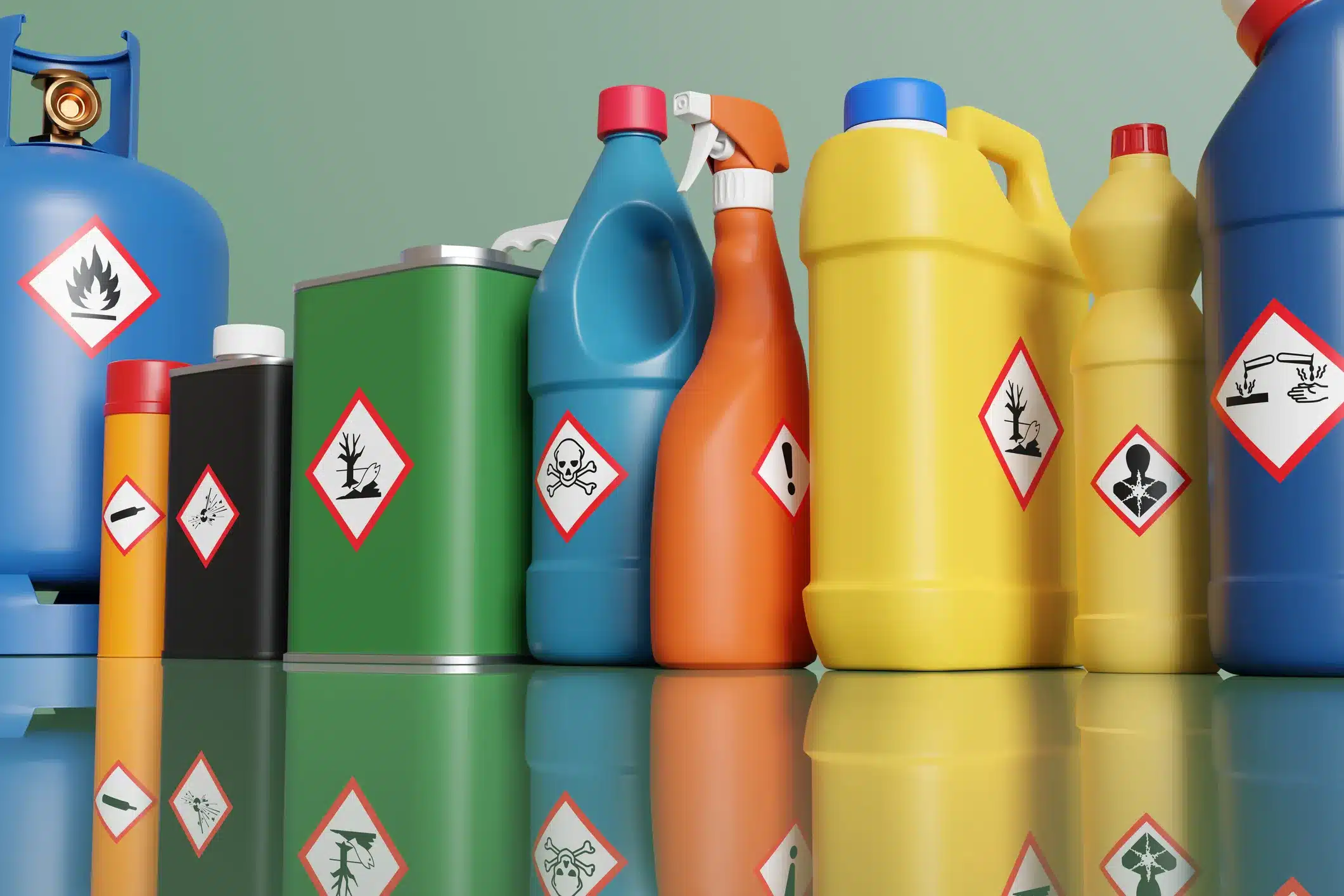
Living in an apartment should be a safe and comfortable experience, but what happens when you discover toxic chemicals in your living space? If exposed to hazardous substances in your Houston apartment, you might wonder whether your landlord can be held accountable. Understanding your rights as a tenant and the legal responsibilities of your landlord is essential in determining liability and seeking justice for any harm caused.
If you are in this situation, please contact Calhoun Meredith, PLLC. Our dedicated team is here to help you through every step of the process. Call us today at 832-430-6210 to schedule your free consultation and take the first step toward securing the compensation and support you deserve.
Tenant Rights and Landlord Responsibilities in Texas
In Texas, landlords are legally obligated to provide habitable housing and to inform tenants about known environmental health hazards in their rental property. Rental units must be safe and habitable, with all appliances, fixtures, plumbing, and heating in good working order and free of insects and pests.
Right to a Safe Environment
Landlords must remove conditions that could significantly impact the health or safety of ordinary tenants, such as mold, provided the tenant hasn’t caused the condition, has given written notice, and is current on rent. Landlords have a reasonable timeframe, typically seven days, to address reported health risks like mold. However, certain circumstances may alter this expectation.
Key responsibilities of landlords include:
- Removing health and safety hazards
- Addressing mold and other environmental hazards promptly
- Ensuring all appliances and fixtures are in good working order
- Maintaining the property free from pests and insects
Tenants are protected from retaliation by landlords for six months after making a good faith complaint about necessary repairs on time, ensuring their right to a safe living environment is enforced.
When a Landlord Fails to Act
You have a few options if your landlord fails to act on your complaint. You can choose to terminate your lease, file a lawsuit, or repair mold issues yourself and deduct the costs from rent, provided you comply with legal requirements.
Under Texas law, tenants have the right to:
- Request that landlords repair conditions that negatively impact their physical health or safety
- Minimize tenant exposure to harmful substances
- Be notified of potential dangers when undertaking property renovations.
Landlord Liability for Toxic Exposure
Premises liability is an integral aspect of premises liability claims. It refers to a landlord’s failure to fulfill their duty of maintaining their property in a safe condition. Suppose you, as a tenant in Texas, are injured due to your landlord’s failure to address a known hazardous condition, such as exposure to toxic chemicals. In that case, you can bring a claim against them, and they may be held liable. For a successful premises liability claim, the injured party must demonstrate that the property owner’s negligence directly resulted in their injury or illness due to unsafe conditions.
At Calhoun Meredith, PLLC, we recognize the need for a dedicated premise liability lawyer in Houston and stand ready to help you pursue justice. Our Houston premise liability attorneys deeply understand Texas’s local laws and regulations governing landlord-tenant relationships. We work diligently to gather evidence, including environmental testing and medical reports, to build a strong case on your behalf. We aim to hold negligent landlords accountable and secure the compensation they deserve for medical expenses, lost wages, and other damages resulting from toxic exposure.
Common Examples of Toxic Chemicals in Houston Apartments
Living in Houston, it’s essential to be aware of the various toxic chemicals or situations that could be present in your apartment. Here are some common examples:
- Toxic Mold: Toxic mold, such as black mold (Stachybotrys chartarum), thrives in damp and humid conditions often found in Houston. If not promptly addressed, it can cause respiratory issues, allergies, and other health problems. The Texas Property Code mandates landlords address and eliminate conditions like mold that can harm tenants.
- Lead Paint: Lead paint is frequently found in older buildings. Exposure to lead can result in severe health issues, particularly for children, including developmental delays and neurological damage. The risk is exceptionally high during renovations when lead particles can become airborne. Federal law requires landlords to inform tenants about known lead paint hazards on property and guide them on handling lead exposure.
- Asbestos: Asbestos is commonly used in insulation and fire-resistant building materials. Exposure to asbestos fibers can lead to serious illnesses such as mesothelioma and lung cancer. It’s often found in older construction materials like insulation, flooring, and pipes.
- Pesticides: Pesticides used to control pests can leave harmful residues in your living space. Long-term exposure to certain pesticides can cause various health issues, including respiratory problems, skin irritations, and even neurological effects.
- Volatile Organic Compounds (VOCs): VOCs are emitted from various household products, including paints, cleaning supplies, and building materials. Prolonged exposure to VOCs can cause headaches, dizziness, respiratory issues, and other health problems.
- Carbon Monoxide: Carbon monoxide is a colorless, odorless gas that can be deadly. It is produced by burning fuel in furnaces, stoves, water heaters, and fireplaces. Proper ventilation and regular maintenance of these appliances are crucial to prevent carbon monoxide poisoning.
- Radon: Radon is a naturally occurring radioactive gas that can seep into buildings through cracks in the foundation. Long-term exposure to high levels of radon can increase the risk of lung cancer.
- Formaldehyde: Formaldehyde is found in various building materials and household products, including pressed wood, glues, and adhesives. Exposure to formaldehyde can cause respiratory issues, skin irritation, and other health problems.
- Indoor Air Quality (IAQ): Refers to the air quality within and around buildings and structures. Poor IAQ can be caused by mold, lead dust, and asbestos fibers.
- Harmful Swimming Pool Chemicals: Concerns over exposure to these substances in swimming pools have become a significant health issue. This is particularly alarming as swimming pools are often considered safe recreational spaces, yet they can harbor toxic chemicals. Chlorine, used to disinfect pool water, can react with organic matter to form harmful byproducts like chloramines and trihalomethanes, which can cause respiratory issues and skin irritation. Additionally, improper pool water maintenance can lead to the proliferation of harmful bacteria and algae, posing further health risks to swimmers. Regular testing and proper chemical management are necessary to ensure the safety of swimming pool environments.
By being aware of these common toxic chemicals and situations, you can take proactive measures to ensure your environment is safe and healthy. Landlords must disclose the presence of such toxins due to their potential health risks.
The Process of Filing a Claim Against Your Landlord
If you’ve discovered a toxic hazard in your apartment and understand your landlord’s responsibility, follow these steps to file a claim against your landlord for exposure to dangers:
- Document the Presence of Toxins
- To substantiate claims of toxic exposure, professional environmental testing is often necessary to identify the presence and level of toxins. Engaging a toxic chemical exposure attorney in Houston to conduct environmental toxicity testing is a critical aspect of the discovery phase, ensuring that the presence of mold and other toxins is properly recorded.
- Obtain medical reports as they provide evidence of the health impacts claimed to be associated with toxic exposure, making them an integral part of the tenant’s documentation.
- Initiate Legal Action
- Once you have your evidence, it’s time to initiate a legal claim. This requires timely filing with the appropriate legal body, which might necessitate legal representation.
- Before going to court, consider sending a demand letter to your landlord to address the toxic exposure claim.
- Small claims court is also an option for resolving mold-related claims, typically handling cases with claims ranging between $3,000 to $10,000. Remember, the burden of proof lies with you, the claimant, to recover damages. You must provide medical evidence demonstrating a link between your health condition and exposure to toxic chemicals in the apartment.
- Understand the Potential Outcomes of a Toxic Exposure Claim
- If your claim is successful, you could hold your landlord accountable for health issues caused by hazardous conditions such as mold exposure on their property. The evidence must demonstrate that exposure to toxic substances was at least as likely as not a significant factor in aggravating, contributing to, or causing your illness or death.
- Outcomes of toxic exposure claims can include receiving healthcare benefits, eligibility for disability compensation, and coverage for related conditions.
Please be aware that legal regulations in this content, including potential dollar amounts or imprisonment lengths, may change over time. For the most current and accurate information, consult a legal professional to ensure accuracy in your specific situation.
Preventative Measures for Tenants
While your landlord has to maintain a safe environment in your apartment complex, you can also take steps to protect yourself from exposure to toxic substances in your apartment. This includes proactively identifying potential hazards and knowing how to mitigate them.
Regular Inspections and Maintenance Requests
One of the best ways to detect potential toxic hazards early on is to request regular inspections. If you discover any maintenance issues like mold, report them promptly for repairs, which falls under the landlord’s responsibility.
Regular inspections can help identify visible hazards and hidden dangers that may not be immediately apparent. For instance, leaks behind walls or under floors can grow mold, while deteriorating paint in older buildings might contain lead. During these inspections, it’s also wise to check for proper ventilation, especially in areas like bathrooms and kitchens, to prevent moisture buildup that can contribute to mold and mildew.
Tenants should be vigilant about the condition of appliances and fixtures. Faulty gas stoves, heaters, or water heaters can be sources of carbon monoxide. This dangerous gas is colorless and odorless. Ensuring these appliances are regularly serviced and maintained can prevent potential poisoning.
Tenants should also know the materials used in renovations or repairs in their apartments. Some building materials, such as certain types of insulation or flooring, may contain asbestos or other harmful substances. By staying informed and asking questions about the materials used, tenants can better protect themselves and their families from exposure to toxic chemicals.
Regular inspections and prompt reporting of maintenance issues are critical steps tenants can take to safeguard their environment from toxic hazards. By being proactive and informed, tenants can work alongside their landlords to ensure a safe and healthy home.
Knowing Your Rights and Lease Provisions
Understanding your lease agreement and rights is critical to ensuring a safe living environment. Lease agreements should have clauses that address the health and safety aspects of a rental space to protect tenants’ rights. Common lease disclosures that address potential health or safety issues include:
- Mold
- Sex offender notices
- Recent deaths
- Disclosure of lead-based paint
- Meth contamination
Being informed about health and safety disclosures helps tenants understand their rights and the landlord’s obligations, which is why a property manager plays a vital role in this process.
How Calhoun Meredith, PLLC Can Help You
Dealing with the legal system surrounding toxic exposure in your apartment can be a complicated process. At Calhoun Meredith, PLLC, we offer various legal services to help clients recover from personal injuries. Our primary concern is your health and recovery, so we handle all legal aspects of your case, allowing you to focus on healing without the added stress of legal proceedings.
At Calhoun Meredith, PLLC, we stand as your advocate in the pursuit of justice and compensation, offering support in various ways, including:
- Professional Environmental Testing: We can arrange for professional environmental testing to identify and document the presence of toxic chemicals in your apartment. This evidence is essential for substantiating your claims.
- Medical Report Coordination: Our team will help you obtain comprehensive medical reports that detail the health impacts of your toxic exposure, providing a solid foundation for your case.
- Legal Representation: We will represent you in all legal proceedings, from filing a lawsuit to negotiating with your landlord or their insurance company. Our goal is to secure the best possible outcome for you.
- Demand Letters: Before going to court, we can draft and send a demand letter to your landlord outlining the toxic exposure claim and requesting immediate action or compensation.
- Small Claims Court Assistance: If your case is suitable for small claims court, we can guide you through the process, ensuring you meet all legal requirements and present a strong case.
- Settlement Negotiations: Our experienced attorneys will negotiate settlements on your behalf, aiming to secure compensation for medical expenses, lost wages, and other damages related to your toxic exposure.
We understand that recovering from toxic chemical exposure involves more than just winning a case; we also provide support beyond insurance claims. Our team of toxic chemical exposure attorneys in Houston ensures you receive the necessary medical and financial support throughout your recovery journey.
Contact Us for Help with Toxic Chemical Exposure
If you have been exposed to toxic chemicals in your Houston apartment and need legal assistance, please contact Calhoun Meredith, PLLC. We are committed to providing the support you need to recover from personal injuries and hold your landlord accountable. Call us today at 832-430-6210 to schedule your free consultation and take the first step toward securing the compensation and support you deserve.
Frequently Asked Questions
Can I withhold rent if my landlord doesn’t address the toxic chemical issue?
In Texas, you may have the right to withhold rent if your landlord fails to address health and safety concerns. However, it’s crucial to follow legal procedures. You must provide written notice to your landlord and allow them a reasonable time to make repairs. Consult with a legal professional to ensure you comply with state laws and avoid potential eviction.
How can I prove that toxic chemicals cause my health issues in my apartment?
To establish a connection between your health issues and toxic chemicals in your apartment, obtain medical documentation detailing your symptoms and possible causes. Environmental testing reports can support your claim by identifying hazardous substances in your living space. Keeping a detailed record of your symptoms and any medical treatments can further strengthen your case.
Are there any time limits for filing a claim against my landlord for toxic chemical exposure?
Yes, there are time limits, known as statutes of limitations, for filing a claim against your landlord. In Texas, the statute of limitations for personal injury claims, including those related to toxic exposure, is generally two years from the date you discovered the injury. Acting promptly to ensure your claim is filed within the legal timeframe is crucial.
Can I be evicted for reporting toxic chemicals in my apartment?
Texas law protects tenants from retaliation by landlords for reporting health and safety issues. Suppose you make a good-faith complaint about toxic chemicals or other hazards. In that case, your landlord cannot legally evict you, raise your rent, or reduce services in response. You may have grounds for additional legal action against your landlord if you face retaliation.
What should I do if my landlord denies the presence of toxic chemicals despite evidence?
Suppose your landlord denies the presence of toxic chemicals despite evidence. In that case, you should gather all documentation, including environmental test results and medical reports. Present this evidence to your landlord in writing and request a formal response. If your landlord refuses action, consider seeking legal assistance to enforce your rights and ensure your safety.
Free Case Evaluation
Fields Marked With An “*” Are Required
"*" indicates required fields
Disclaimer: By providing my phone number to Calhoun Meredith I agree and acknowledge that Calhoun Meredith may send text messages to my wireless phone number for any purpose. Message and data rates may apply. Message frequency will vary, and you will be able to Opt-out by replying “STOP”. For more information on how your data will be handled please see our privacy policy.
Privacy Policy: No mobile information will be shared with third parties/affiliates for marketing/promotional purposes. All the above categories exclude text messaging originator opt-in data and consent; this information will not be shared with any third parties.

Schedule An Consultation
© Copyright 2026 Calhoun Meredith. All Rights Reserved.
