

How Is Fault Determined in a Motorcycle Accident?
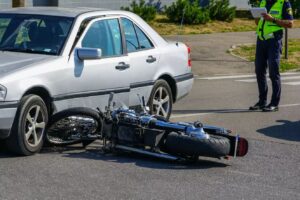 Dealing with the aftermath of a motorcycle accident can be overwhelming, especially when trying to figure out who is at fault. Knowing who is responsible is critical because it affects your ability to claim compensation for injuries and damages. Fault in a motorcycle accident is determined by looking at the actions of everyone involved, the evidence gathered, and whether traffic laws were followed.
For example, if a driver doesn’t yield the right of way to a motorcyclist, they might be considered at fault. This process involves collecting police reports, witness statements, and evidence from the accident scene to clearly understand what happened.
At Calhoun Meredith, PLLC, we know that motorcycle accident claims can be complicated, and we’re here to help you every step of the way. Our experienced attorneys are ready to assist you in proving fault and getting the compensation you deserve. Don’t go through this tough time alone—contact us for a free consultation.
Call 832-430-6210 today, and let us provide the legal support you need to focus on your recovery.
Understanding Legal Responsibilities on the Road
All road users, including motorcyclists and other drivers, are legally required to drive responsibly and follow traffic laws to keep everyone safe. This means they must adhere to the duty of care, which involves driving safely and ensuring the safety of others on the road. When a motorcycle accident occurs, determining fault involves examining the actions of everyone involved to see if they fulfilled their legal responsibilities.
To prove fault, the injured party must show that the responsible person was negligent and did not meet their duty of care. This involves collecting evidence such as witness statements, police reports, and accident scene evidence to support the claim. Understanding these legal responsibilities helps strengthen the compensation case.
Rights and Responsibilities of Motorcyclists
Motorcyclists have specific rights and responsibilities that are crucial for ensuring their safety and the safety of others on the road. Understanding these rights and responsibilities can help motorcycle riders avoid accidents and establish fault in the event of a motorcycle collision.
Rights of Motorcyclists
- Equal Access to Roads: Motorcyclists have the right to use all public roads and highways, just like any other vehicle. They are entitled to a full lane width and should not be forced to share lanes with other vehicles.
- Protection Under Traffic Laws: Motorcyclists are protected under the same traffic laws that apply to other drivers. This includes the right to expect other drivers to obey traffic signals and signs, and to yield the right of way when appropriate.
- Access to Legal Recourse: In the event of an accident, motorcyclists have the right to seek compensation for injuries and damages through a motorcycle accident claim. They can pursue legal action against the at-fault party to recover losses.
Responsibilities of Motorcyclists
- Adherence to Traffic Laws: Motorcyclists are responsible for following all traffic laws, including speed limits, signaling turns, and obeying traffic lights. Violating traffic laws can significantly impact fault determination in motorcycle accidents.
- Safe Riding Practices: Motorcyclists should practice safe riding techniques, such as wearing helmets and protective gear, maintaining a safe following distance, and avoiding impaired driving.
- Awareness and Preparedness: Motorcyclists must remain vigilant and aware of their surroundings, anticipating potential hazards and being prepared to react appropriately. This includes being cautious of blind spots and avoiding distractions.
Are There Specific Laws That Apply Only to Motorcycles Versus Other Vehicles in Texas?
In Texas, there are specific laws that apply to motorcycles, setting them apart from other vehicles on the road. These laws aim to enhance safety and ensure that motorcycle riders follow certain regulations.
For example, Texas requires all motorcycle riders and passengers under 21 to wear helmets. Riders over 21 can ride without a helmet if they have completed a motorcycle safety course or have health insurance that meets state requirements.
Moreover, motorcycles must have certain safety features like working headlights and rearview mirrors. Lane splitting, which is when motorcyclists ride between lanes of traffic, is not allowed in Texas, unlike some other states. Motorcycle riders must follow the same traffic laws as other vehicles, but they have the right to use a full lane, and other vehicles should not encroach on this space.
Knowing these specific laws is important for motorcycle riders to ensure they are following the rules and staying safe on the roads. Being aware of these regulations can also affect who is at fault in motorcycle accident claims, as breaking these laws may impact liability decisions.
Common Causes of Motorcycle Accidents and Their Impact on Fault
Motorcycle accidents can happen for many reasons, each affecting who is at fault. Here are some common causes:
- Driver Inattention: Often, accidents occur when other drivers fail to notice motorcyclists due to distractions or lack of awareness, leading to collisions where the inattentive driver is typically at fault.
- Aggressive Driving: Behaviors such as tailgating, rapid lane changes, and road rage can escalate into accidents, with aggressive drivers usually bearing responsibility.
- Intoxication: Driving under the influence of alcohol or drugs significantly impairs judgment and reaction times, making intoxicated drivers frequently the at-fault party in accidents.
- Left-Turn Errors: Many accidents happen when drivers turning left fail to see oncoming motorcycles, often resulting in the turning driver being deemed at fault.
- Lane Splitting: This practice involves motorcyclists riding between lanes of slow-moving or stopped traffic, complicating fault determination due to the proximity to other vehicles.
- Speeding and Reckless Driving: Excessive speed and reckless maneuvers increase the likelihood of accidents, with fault often attributed to the speeding driver.
- Poor Weather Conditions: Adverse weather can obscure visibility and affect road traction, necessitating careful assessment of all parties’ actions in fault determination.
- Road Hazards: Potholes, debris, or uneven pavement can cause motorcycles to crash, potentially implicating governmental entities responsible for road maintenance.
- Mechanical Failures: Faulty brakes or tire blowouts can lead to accidents, with manufacturers or maintenance providers potentially liable.
Understanding these causes is essential for determining fault and building a strong motorcycle accident case to secure compensation. At Calhoun Meredith, PLLC, we focus on identifying these factors to create compelling cases for our clients, ensuring they receive the compensation they deserve.
Steps to Take Immediately After a Motorcycle Accident
- Ensure Safety: First, move to a safe location away from traffic, if possible, to prevent further accidents.
- Check for Injuries: Assess yourself and others involved for any injuries. Call emergency services immediately if anyone is injured.
- Call the Police: Report the accident to law enforcement to have an official accident report created, which will be crucial for your claim.
- Seek Medical Attention: Even if injuries seem minor, seek medical attention as soon as possible. This ensures injuries are documented and treated promptly.
- Document the Scene: Take photos and videos of the accident scene, including vehicle positions, road conditions, and any visible injuries.
- Gather Information: Collect contact information, insurance details, and license plate numbers from all parties involved, as well as contact details for any witnesses.
- Avoid Admitting Fault: Be cautious with your words. Do not admit fault or apologize, as this can be used against you later.
- Notify Your Insurance Company: Inform your insurer about the accident, but avoid giving detailed statements until you’ve consulted with a lawyer.
- Consult a Motorcycle Accident Lawyer: Before speaking with insurance adjusters, consult a motorcycle accident lawyer to protect your rights and interests.
- Keep Records: Maintain a file of all documents related to the accident, including medical records, repair estimates, and correspondence with insurance companies.
By following these steps, you can strengthen your motorcycle accident claim and increase your chances of receiving the compensation you deserve. At Calhoun Meredith, PLLC, we are dedicated to guiding you through each step, ensuring your rights are protected and your case is strong. Our experienced attorneys provide the legal support needed to navigate the complexities of your motorcycle accident claim.
How to Prove Negligence in a Motorcycle Accident Case
Proving negligence in a motorcycle accident case is critical for establishing fault and securing compensation. To demonstrate negligence, the following elements must be clearly established:
- Duty of Care: Show that the at-fault party had a legal obligation to ensure the safety of others on the road. This duty applies to all drivers, including those involved in motorcycle accidents.
- Breach of Duty: Provide evidence that the responsible party failed to meet their duty of care. This can involve actions such as violating traffic laws, driving recklessly, or failing to pay attention to the road.
- Causation: Establish a direct link between the breach of duty and the motorcycle accident. It’s essential to prove that the negligent actions directly caused the accident and the resulting injuries.
- Damages: Demonstrate that the injured party suffered actual damages. This includes medical expenses, lost wages, pain and suffering, and other losses resulting from the accident.
To successfully prove negligence, it’s essential to gather a range of evidence, including police reports, witness statements, traffic camera footage, and expert testimony. Collaborating with a seasoned motorcycle accident lawyer can greatly improve your chances of proving negligence. They can assist in collecting and presenting the necessary evidence to build a strong case. At Calhoun Meredith, PLLC, we are committed to helping motorcycle accident victims demonstrate negligence and secure the compensation they deserve.
Types of Evidence Used to Prove Fault in Motorcycle Accidents
To prove fault in motorcycle accidents, you need to gather a variety of evidence, including:
- Police Reports: Document the accident’s details, including weather and road conditions, and statements from the parties involved.
- Witness Statements: Provide unbiased accounts of the accident, offering perspectives that can corroborate the victim’s version of events.
- Traffic Camera Footage: Captures real-time footage of the accident, offering clear visual documentation to clarify the events leading to the crash.
- Expert Testimony: Accident reconstruction specialists analyze factors such as vehicle speeds and impact angles to determine fault.
- Medical Records: Document injuries and correlate them with the accident, significantly aiding in establishing liability.
- Photos and Videos: Taken at the accident scene, they capture the immediate aftermath, including vehicle positions and road conditions.
- Physical Evidence: Includes tire marks, debris, and damage to vehicles, playing a significant role in establishing fault.
- Eyewitness Testimony: Observations from those present at the scene can help clarify how the accident occurred and who was responsible.
- Accident Scene Evidence: Collecting evidence like photos and physical artifacts immediately after the incident can bolster a victim’s claim.
By collecting a wide array of evidence, motorcycle accident victims can effectively establish fault and secure fair compensation. At Calhoun Meredith, PLLC, we help clients gather essential documents like police reports, witness statements, photos, and expert testimonies to build a strong case.
The Role of Comparative Negligence in Motorcycle Accident Claims
In Texas, the concept of comparative negligence is important for figuring out fault and compensation in motorcycle accident claims. This idea allows the fault to be shared among everyone involved in an accident. Even if motorcycle riders are partly to blame, they can still get compensation, but the amount will be reduced based on their share of the fault.
Texas uses a rule called the “51% Bar Rule,” which means you can only receive damages if you are less than 51% at fault. If you’re found to be 51% or more responsible, you can’t get any compensation. So, accurately determining fault is crucial for securing compensation in Texas motorcycle accident claims.
Understanding comparative negligence is essential for motorcycle accident victims in Texas to ensure they receive fair compensation. At Calhoun Meredith, PLLC, we are skilled in handling the challenges of comparative negligence, assisting our clients in obtaining the compensation they deserve even when fault is shared.
Can I Still File a Claim if I Was Speeding at the Time of the Accident in Texas?
If you were speeding during the accident, you can still file a motorcycle accident claim. However, your speeding may affect how the fault is determined and the amount of compensation you receive. In Texas, if you are found to be less than 51% at fault, you can still recover damages, although the amount will be adjusted based on your level of fault. It’s critical to consult with a motorcycle accident lawyer to navigate the complexities of your case and maximize your potential compensation, even if you were speeding.
How an Experienced Motorcycle Accident Lawyer Can Help
Motorcycle accident lawyers focus on proving that the other party’s negligence caused the injuries. They ensure that claimants receive fair compensation for their injuries and losses by handling all communications with insurance companies. Attorneys offer peace of mind by managing the complicated legal processes, allowing clients to concentrate on their recovery.
In cases with multiple defendants, lawyers assess each party’s involvement to establish liability and determine compensation. They also review various insurance policies to ensure their clients receive full coverage. Expert testimony bolsters claims about the severity of injuries and their impact on the victim’s life.
Contact Us to Fight for Maximum Compensation After a Motorcycle Accident
At Calhoun Meredith, PLLC, we are committed to helping motorcycle accident victims with personalized legal strategies tailored to their needs. Our extensive knowledge of motorcycle accident claims allows us to navigate complex cases effectively. We strive to secure maximum compensation for our clients, without upfront legal fees, as we work on a contingency fee basis.
Our compassionate approach and pursuit of justice set us apart. Our injury attorneys are skilled negotiators and ready to litigate if needed. We manage all aspects of your case, from evidence collection to insurance negotiations, so you can focus on recovery.
Contact us for a free consultation to discuss your case. Call 832-430-6210 to speak with our experienced team and start rebuilding your life.
Additional Resources
6 Tips To Prevent Motorcycle Accidents
Why Are Motorcycle Accident Injuries So Serious?
How Does A Motorcycle Accident Settlement Work?
Free Case Evaluation
Fields Marked With An “*” Are Required
"*" indicates required fields
Disclaimer: By providing my phone number to Calhoun Meredith I agree and acknowledge that Calhoun Meredith may send text messages to my wireless phone number for any purpose. Message and data rates may apply. Message frequency will vary, and you will be able to Opt-out by replying “STOP”. For more information on how your data will be handled please see our privacy policy.
Privacy Policy: No mobile information will be shared with third parties/affiliates for marketing/promotional purposes. All the above categories exclude text messaging originator opt-in data and consent; this information will not be shared with any third parties.

Schedule An Consultation
© Copyright 2026 Calhoun Meredith. All Rights Reserved.
