

Common Types of Trucking Accidents in Texas
 Sharing the road with large trucks can be intimidating, and knowing about the common types of trucking accidents is essential for your safety. These accidents include jackknife incidents, where a truck’s trailer swings out to form a 90-degree angle, and underride collisions, which occur when smaller vehicles slide underneath the trailer. Each type of accident carries unique risks and challenges, often leading to serious injuries or even fatalities.
If you or someone you love has been in a truck accident, it’s crucial to get help from skilled truck accident attorneys who are familiar with these complex cases. At Calhoun Meredith, PLLC, we are committed to advocating for truck accident victims. We offer free consultations to explain your legal options and work on a contingency fee basis, meaning you only pay if we win your case.
Contact us today at 832-430-6210 to schedule your free consultation and let us help you obtain the compensation you deserve.
Jackknife Accidents
Jackknife accidents are a particularly dangerous type of truck accident that occurs when a truck’s trailer swings out to form a sharp angle, much like a folding knife. These incidents often happen due to sudden braking, slippery roads, or abrupt steering, causing the truck driver to lose control. When the trailer swings out, it can block several lanes of traffic, making these accidents especially hazardous.
Common causes of jackknife accidents include driver mistakes, such as oversteering or braking too hard, and bad weather that makes roads slippery. Mechanical issues, like brake failures, can also lead to these incidents.
The impact of jackknife accidents can be severe, often resulting in multi-car pileups and causing significant damage to passenger vehicles. The large size and weight of the trailer can lead to serious injuries or fatalities for other drivers. Additionally, these accidents can cause major traffic disruptions, requiring extensive cleanup and road closures.
Rear-End Collisions
Rear-end collisions are a common and dangerous type of truck accident. These often happen because of the large size and weight of commercial trucks. Trucks need a longer distance to stop compared to smaller vehicles. If a truck driver isn’t paying close attention, it can lead to serious rear-end collisions.
These collisions usually happen when a truck follows another vehicle too closely or doesn’t notice traffic slowing down or stopping ahead. Bad weather, distracted driving, or a tired truck driver can make these situations worse, increasing the chance of an accident.
When a truck rear-ends a passenger vehicle, the impact can be devastating due to the truck’s massive force. This often results in severe injuries like traumatic brain injuries, spinal cord damage, and broken bones. Victims might need extensive medical care, including surgery and long-term rehabilitation, highlighting the seriousness of these accidents.
What Should I Do if I Am Rear-Ended by a Commercial Truck?
Being rear-ended by a commercial truck can be overwhelming, but knowing what to do next is important. Here’s a simple guide to help you handle the situation:
- Check for Injuries: First, see if you or any passengers are hurt. If anyone is injured, call 911 immediately. If possible, move your vehicle to the side of the road to avoid more accidents.
- Call the Police: Report the accident to the police, no matter how minor it seems. A police report can be crucial if you decide to file a claim later.
- Collect Information: Gather details at the scene. Take pictures of the damage, the accident location, and any injuries. Exchange contact and insurance information with the truck driver and get details from any witnesses.
- See a Doctor: Even if you feel okay, get a medical check-up. Some injuries aren’t obvious right away. Documenting your injuries is important for future claims.
- Inform Your Insurance: Let your insurance company know about the accident as soon as you can. Share the details but be cautious about what you say to avoid it being used against you.
- Talk to a Lawyer: Truck accident cases can be complicated. It’s wise to consult an experienced truck accident attorney who can explain your rights and help you seek compensation for your injuries and damages.
Underride and Override Accidents
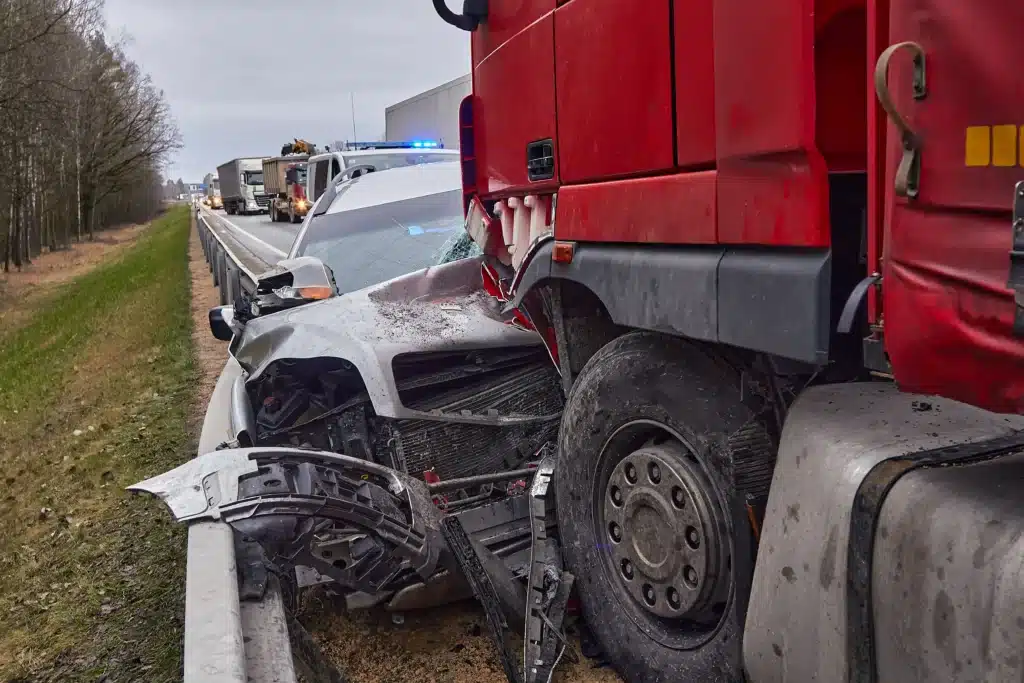 Underride and override accidents are some of the most dangerous types of truck accidents, often leading to severe outcomes. An underride accident happens when a smaller vehicle slides under the rear or side of a large truck, like a tractor-trailer. On the other hand, an override accident occurs when a truck runs over another vehicle, mainly because of the truck’s height and weight.
These accidents are known for their high fatality rates because the occupants of the smaller vehicles are at great risk of severe injuries or death. The impact can cause devastating injuries, including
- Traumatic brain injuries
- Spinal cord damage
- And, other life-threatening conditions
One major reason these accidents occur is the lack of proper safety guards on trucks. Many trucks don’t have effective underride guards to stop smaller vehicles from sliding underneath. Similarly, the absence of override protection makes these accidents even more dangerous.
To reduce the number and severity of underride and override accidents, it’s critical to address these safety issues. Implementing stricter regulations and ensuring trucks have proper safety guards can greatly improve road safety for everyone involved.
Blind Spot (No-Zone) Accidents
Blind spot, or “No-Zone,” accidents are a major concern on the road because trucks have large areas around them where the driver can’t see other vehicles. These areas include right in front of the truck, along both sides and especially behind the trailer. The right side is particularly dangerous since the blind spot can stretch the entire length of the trailer and beyond.
For drivers who aren’t aware of these blind spots, the risk of an accident is high. Vehicles that stay in a truck’s no-zone might be hit during lane changes or turns because the truck driver can’t see them. Common situations include cars trying to pass a truck on the right or following too closely behind, making them invisible to the truck driver.
To avoid these dangerous situations, it’s important for drivers to know about a truck’s blind spots and avoid staying in these areas. Truck drivers should also perform thorough checks and use mirrors effectively to reduce the risk of blind spot accidents. Educating all road users about these no-zones can greatly decrease the chances of such accidents, making the roads safer for everyone.
T-Bone (Side-Impact) Accidents
T-Bone accidents, also known as side-impact collisions, are a serious type of truck accident that commonly happen at intersections. These accidents occur when a truck crashes into the side of another vehicle, often because the truck runs a red light or fails to yield the right-of-way. The large size and weight of trucks make these incidents especially dangerous.
The impact of a T-bone accident can cause severe injuries, particularly for people in smaller vehicles hit by a heavy truck. The force of the collision can lead to major injuries such as traumatic brain injuries, spinal cord damage, and even fatalities, highlighting the importance of being extra cautious and aware at intersections.
Who is Liable in a T-Bone Accident at an Intersection Without Signals?
Determining who is at fault in a T-bone accident at an intersection without signals can be tricky. In these cases, it’s important to look at factors like who had the right-of-way, how the drivers behaved, and the condition of the road. Usually, the driver who didn’t yield the right-of-way is held responsible. However, things like speeding, not paying attention, or driving under the influence can also affect who is to blame.
When there are no traffic signals, all drivers need to be extra careful and follow traffic rules to avoid accidents. To figure out who is responsible, witness statements, evidence from the accident scene, and expert analysis might be needed. Consulting with an experienced truck accident attorney at Calhoun Meredith, PLLC can be extremely helpful. They can guide you through these complicated situations and help you pursue compensation for your damages.
Head-On Collisions
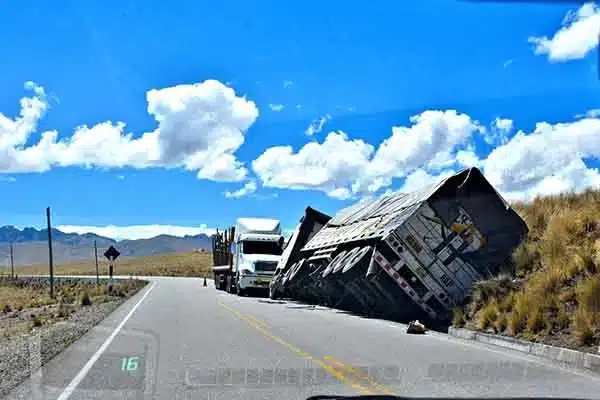 Head-on collisions are among the most dangerous types of truck accidents because of the intense force involved when a truck crashes head-on into another vehicle or object. These catastrophic events often occur when a truck veers into oncoming traffic. This can happen due to driver fatigue, distractions, or bad weather that causes the driver to lose control.
The large size and heavy weight of trucks increase the impact, making these collisions particularly devastating. The consequences are often severe or even fatal, with people in passenger vehicles facing significant risks of traumatic brain injuries, spinal cord damage, and other life-threatening injuries.
Statistics show that head-on collisions make up a large portion of traffic-related deaths, highlighting the urgent need for preventive measures and awareness to reduce these tragic accidents.
Rollover Accidents
Rollover accidents are a major risk in the trucking industry because large trucks have a high center of gravity. This makes them prone to tipping over, especially when certain conditions are present. Common causes of rollovers include taking sharp turns too quickly, which can throw the truck off balance. Additionally, when cargo is not loaded properly, it can move during transit, making the truck even more unstable.
Rollover accidents are extremely dangerous not only for the truck driver but also for other vehicles on the road. When a truck tips over, it can block several lanes of traffic and pose a serious threat to passenger vehicles, increasing the chances of severe injuries or fatalities. These accidents can also cause significant traffic disruptions, leading to more accidents as other drivers may not have enough time to react or avoid the overturned truck. Recognizing these dangers is essential for both truck drivers and other motorists to help prevent such hazardous incidents.
Wide Turn Accidents
Wide turn accidents are a major issue in trucking because large commercial trucks have specific turning needs. When these trucks make wide turns, especially right turns, they often need to move left first to have enough space to turn safely.
This wide turning can be risky for other vehicles. Drivers nearby might not expect the truck to swing wide and could try to pass on the right, leading to dangerous situations. Cars attempting to squeeze past a turning truck might get sideswiped or caught between the truck and the curb, causing serious accidents.
Such incidents often occur when vehicles are caught in the truck’s blind spot or misjudge the truck’s path, leading to collisions. It’s crucial for both truck drivers and other motorists to be cautious. Truck drivers should clearly signal their intentions and check mirrors and blind spots thoroughly. Other drivers should keep a safe distance and avoid passing trucks during turns to prevent accidents.
The Impact of Trucking Accidents on Victims
Trucking accidents can deeply affect victims in several ways. Beyond physical injuries, the emotional toll on victims and their families can be significant. The trauma from the accident, along with the stress of recovery and adjusting to new life circumstances, can cause anxiety, depression, and post-traumatic stress disorder (PTSD). Families may also struggle with new caregiving responsibilities or the grief of losing a loved one in a fatal accident.
Financially, the aftermath of a truck accident can be overwhelming. Victims frequently face high medical bills, loss of income due to an inability to work, and long-term care costs. These financial pressures can strain families, making it challenging to concentrate on healing.
Recognizing the full impact of trucking accidents highlights the importance of pursuing fair compensation and seeking professional legal help. At Calhoun Meredith, PLLC, we are committed to supporting victims and their families through these tough times. Our experienced team is dedicated to fighting for the justice and compensation you deserve, ensuring your rights are safeguarded throughout the process.
[Additional Resource: The Complexities of Truck Accident Claims: Legal Insights for Victims]
Contact Calhoun Meredith, PLLC for Legal Help After a Truck Accident in Houston
At Calhoun Meredith, PLLC, we are dedicated to helping those affected by truck accidents. Our skilled Houston truck accident lawyers understand the complexities of trucking law, ensuring each client gets the personal attention and legal guidance they need. We stand out by crafting a unique legal plan for each case, aiming to maximize our client’s compensation.
We are committed to justice and work on a contingency fee basis, meaning you don’t pay legal fees unless we win your case or secure a settlement. This way, financial worries won’t stop you from getting the legal help you need. Our success in negotiations and court cases shows our dedication to achieving the best results for our clients.
If you or a loved one has been in a truck accident, contact us at Calhoun Meredith, PLLC today at 832-430-6210 for a free consultation. Let us guide you through the legal process and fight for your deserved compensation.
[Additional Resource: What Does a Truck Accident Lawyer Do?]
Free Case Evaluation
Fields Marked With An “*” Are Required
"*" indicates required fields
Disclaimer: By providing my phone number to Calhoun Meredith I agree and acknowledge that Calhoun Meredith may send text messages to my wireless phone number for any purpose. Message and data rates may apply. Message frequency will vary, and you will be able to Opt-out by replying “STOP”. For more information on how your data will be handled please see our privacy policy.
Privacy Policy: No mobile information will be shared with third parties/affiliates for marketing/promotional purposes. All the above categories exclude text messaging originator opt-in data and consent; this information will not be shared with any third parties.

Schedule An Consultation
© Copyright 2026 Calhoun Meredith. All Rights Reserved.
