

What Should I Do as a Driver After an Uber or Lyft Accident in Houston?
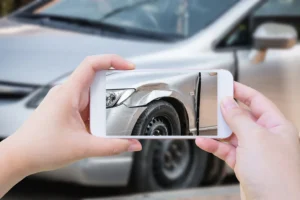 Navigating the aftermath of an Uber or Lyft accident in Houston can be overwhelming. Whether you’re a driver or a passenger, knowing the right steps to take is crucial for ensuring your safety and protecting your rights. An Uber or Lyft accident refers to any collision involving a rideshare vehicle, regardless of fault. For example, if you’re driving for Uber and another car rear-ends you, that’s considered an Uber accident.
At Calhoun Meredith, PLLC, we understand the complexities that come with rideshare accidents and are here to help you through this challenging time. Our team of experienced attorneys can guide you through the process of ensuring your safety, contacting emergency services, and gathering the necessary information for your claims.
Don’t let the aftermath of an accident overwhelm you. Contact us today at 832-430-6210 for a free consultation. Let Calhoun Meredith, PLLC, be your trusted partner in securing the compensation you deserve.
7 Driver Steps to Take After a Rideshare Accident
1. Ensure Safety
Prioritize the safety of everyone involved. Quickly check for injuries and, if possible, move to a safe location away from traffic. Turn on your hazard lights to alert other drivers and prevent further accidents. Position your vehicle safely and ensure everyone stays away from oncoming traffic to avoid secondary accidents. Ensuring safety first is crucial in the aftermath of an accident.
Emergency personnel can provide necessary medical assistance and treat injuries promptly. Seek medical attention immediately, even if your injuries seem minor. Some injuries may not show symptoms right away, so getting checked by a healthcare professional is important to catch any hidden issues early.
2. Contact Emergency Services
After ensuring everyone is safe, contact emergency services. Dial 911 to notify the police and medical responders about any injuries. Provide clear and precise information about the accident scene and any injuries.
When emergency services arrive, give them accurate details about the accident, including the location and any injuries. This helps them provide the necessary aid and document the incident properly. In many places, reporting an accident to the police is mandatory, regardless of its severity.
A police report will provide an official account of the accident, detailing key elements like time, location, and parties involved. This report is invaluable for filing an insurance claim later on and establishing who is at fault.
3. Exchange Information with All Parties Involved
After ensuring safety and contacting emergency services, exchange information with all parties involved. Collect names, contact details, driver’s license numbers, and insurance information from the other drivers.
Gather the names and contact information of any witnesses. Their statements can support your case and ensure fair compensation. Exchanging information allows all parties to be contacted for statements and claims processing later.
Is it Necessary to Get Contact Information from Rideshare Passengers?
 Yes, it’s very important to get contact information from rideshare passengers involved in the accident. Their accounts can provide key details about what happened, which can support your version of events. Passengers can be valuable witnesses, especially if there are disputes about who is at fault or the sequence of events leading to the accident.
Make sure to collect their names, phone numbers, and email addresses. This way, you or your attorney can contact them later for statements or additional information. This can help build a strong case for your insurance claim or any legal actions you might take.
Additionally, having passenger contact information can help clear up any discrepancies in reports and give a fuller picture of the incident. Always gather this information respectfully and professionally, explaining its importance for the claims process.
4. Document the Accident Scene
Thoroughly documenting the accident scene can significantly impact your claims process. Take clear photographs of the accident scene from different angles, including both the exterior and interior of the vehicles involved. These photos are helpful evidence for your injury claim.
Photograph nearby traffic signs, road conditions, and any visibility factors to provide context. This helps establish the circumstances leading to the accident and supports your case. Additionally, note any visible injuries. This can include cuts, bruises, swelling, or any other noticeable trauma.
This thorough documentation can be instrumental when seeking compensation for medical expenses and other accident-related costs. It serves as tangible evidence that can substantiate your claims and demonstrate the severity of the injuries sustained.
5. Gather Evidence
- Medical Records: Gather comprehensive medical records created shortly after the accident. These serve as vital evidence in personal injury claims, documenting your injuries and the necessary treatments.
- Receipts for Accident-Related Expenses: Keep all receipts for any expenses incurred due to the accident. This includes medical bills, repair costs, and any other related expenditures.
- Witness Statements: Collect statements from any witnesses to the accident. Their accounts can support your case and provide additional perspectives on how the accident occurred.
- Accident Reports: Obtain official accident reports from law enforcement. These documents provide an unbiased account of the incident, detailing key elements like time, location, and parties involved.
- Photographic Evidence: Take clear photographs of the accident scene from different angles, including both the exterior and interior of the vehicles involved. Also, photograph nearby traffic signs, road conditions, and any visible injuries.
- Attorney Assistance: An attorney can help gather and organize critical evidence, such as accident reports and witness statements, to support your claim.
Gathering comprehensive evidence is essential to support your claims and ensure you receive the compensation you deserve. Prompt medical care and thorough documentation can significantly impact the outcome of your personal injury claims.
6. Notify Uber or Lyft
 Report the accident to the rideshare company right away. If you’re an Uber or Lyft driver, use the Driver app’s Safety Toolkit for Uber or follow Lyft’s procedure to report a crash. Reporting the accident to your rideshare company is vital for initiating their insurance coverage and support. Uber and Lyft have specific protocols for handling accidents, and timely reporting ensures that you receive the benefits and assistance provided under their policies.
Additionally, this step helps protect your driving record and ensures compliance with the terms of service of the platforms. Make sure to provide accurate details about the incident and follow any additional instructions given by the rideshare company to facilitate a smooth claims process.
7. Inform Your Insurance Company
Notify your personal insurance company promptly after the accident, no matter who is at fault. This keeps them in the loop and allows them to assist you during the claims process. Have your insurance policy number handy to speed up the reporting.
Insurance companies often need a police report to process claims and determine coverage. Providing all necessary documents makes the claims process smoother and helps you get the compensation you deserve.
Understanding Uber and Lyft’s Insurance Coverage
Rideshare companies like Uber and Lyft provide specific insurance coverage for their drivers and passengers, but the extent of this coverage varies depending on the driver’s status at the time of the accident. Here’s a breakdown of how this coverage works:
- Offline: When the driver is not using the rideshare app, their personal insurance policy is the only coverage available. In this case, medical expenses would need to be covered by the driver’s personal insurance or the insurance of the at-fault party.
- Online, Waiting for a Ride Request: Online, Waiting for a Ride Request: If the driver is online but has not yet accepted a ride request, Uber and Lyft offer basic liability coverage for accidents where the driver is at fault. This typically includes up to $50,000 per person for bodily injury, $100,000 per accident for bodily injury, and $25,000 for property damage.
- En Route to Pick Up a Passenger or During a Trip: Once the driver has accepted a ride request and is either on the way to pick up a passenger or actively transporting them, Uber and Lyft provide full coverage. This includes $1 million in third-party liability, coverage for uninsured/underinsured motorists, and comprehensive and collision coverage (with a deductible).
Understanding these different levels of insurance coverage is crucial for both drivers and passengers involved in rideshare accidents. It helps in determining the appropriate claims and ensuring that all parties receive the compensation they are entitled to.
For more detailed information about your specific situation, consulting with a personal injury attorney skilled in rideshare accidents can provide valuable guidance and support. At Calhoun Meredith, PLLC, our team is experienced in handling Uber and Lyft accident cases and can offer the legal guidance and support you need to navigate the complexities of your claim. Reach out to us for a personalized consultation and let us help you secure the compensation you deserve.
What Should I Do if Uber or Lyft’s Insurance Denies My Claim?
If Uber or Lyft’s insurance denies your claim, don’t worry. Here are some steps you can take to challenge the decision and seek the compensation you deserve:
- Read the Denial Letter: Carefully read the denial letter to understand why your claim was denied. Knowing the reasons will help you address them directly.
- Gather More Evidence: Collect any additional evidence that supports your claim. This can include medical records, witness statements, accident reports, and photos of the accident scene.
- Consult an Attorney: Consider talking to a personal injury attorney. They can provide valuable guidance, help you understand your rights, and assist in building a strong case to appeal the denial.
- File an Appeal: Work with your attorney to file an appeal with Uber or Lyft’s insurance company. This involves submitting more evidence and explaining why the denial was incorrect.
- Try Alternative Dispute Resolution: If the appeal is unsuccessful, you may explore other methods like mediation or arbitration to resolve the issue without going to court.
- Consider Legal Action: As a last resort, you can file a lawsuit against the at-fault party or the rideshare company to seek compensation for your damages. Your attorney can guide you through this process and represent you in court.
Facing a claim denial can be frustrating, but with the right approach and legal support, you can challenge the decision and work towards getting the compensation you deserve.
How Fault is Determined in Rideshare Accidents
Determining fault in rideshare accidents involves a thorough investigation by law enforcement, insurance companies, and sometimes legal professionals. Here are the key factors considered:
- Police Reports: Officers at the scene document their observations and gather statements from all parties involved. This report is a critical piece of evidence in determining fault.
- Witness Statements: Eyewitnesses can provide unbiased accounts of the accident, helping to clarify events and assign responsibility.
- Traffic Laws: Violations of traffic laws, such as running a red light or speeding, can be clear indicators of fault.
- Vehicle Damage: The location and extent of damage on the vehicles involved can help reconstruct the accident and identify the at-fault party.
- Driver Behavior: Distracted driving, intoxication, and other negligent behaviors are significant factors in determining fault.
- Rideshare App Data: Data from the rideshare app, including timestamps and GPS coordinates, can provide valuable insights into the events leading up to the accident.
- Surveillance Footage: Nearby security cameras or dashcams can capture the accident, offering clear visual evidence.
Understanding how fault is determined in rideshare accidents is essential for drivers seeking compensation. Accurate fault determination ensures that the responsible party is held accountable and that victims receive the proper support and compensation for their injuries and losses.
Avoid Quick Settlement Offers
Insurance companies often try to rush you into accepting a lower settlement. They might downplay your injuries or the damage to your property. It’s important to understand the full impact of the accident, including future medical costs, lost wages, and pain and suffering.
Be cautious of quick settlement offers from insurance adjusters. Their main goal is to pay you as little as possible. You have the right to negotiate and can reject any offer that doesn’t fully cover your damages.
Remember, once you accept a settlement, you usually can’t ask for more money later. Take your time to gather all the necessary documents and get advice from a qualified accident attorney who can fight for your best interests. This way, you protect yourself from getting less than you deserve and ensure you receive the full compensation you need.
Contact Us for Legal Guidance After a Rideshare Accident
At Calhoun Meredith, PLLC, we pride ourselves on our personalized approach and experience in handling Uber and Lyft accident cases. Our team of dedicated Houston rideshare accident attorneys understands the unique challenges of rideshare accidents and is committed to guiding you through every step of the legal process. We offer tailored legal strategies to meet your needs and maximize your compensation.
What sets us apart is our unwavering dedication to our clients. We provide compassionate, one-on-one support and maintain open lines of communication to ensure you are always informed and confident in your case’s progress. Our extensive skills and thorough understanding of rideshare regulations enable us to effectively advocate for your rights and secure the best possible outcome.
Don’t navigate the aftermath of an accident alone. Let us be your trusted partner in securing the compensation you deserve.
Contact Calhoun Meredith, PLLC today at 832-430-6210 for a free consultation.
Additional Resources
Can You Sue If You Were a Passenger in an Uber Accident?
Uber Accidents: Understanding Insurance Coverage and Legal Rights
Free Case Evaluation
Fields Marked With An “*” Are Required
"*" indicates required fields
Disclaimer: By providing my phone number to Calhoun Meredith I agree and acknowledge that Calhoun Meredith may send text messages to my wireless phone number for any purpose. Message and data rates may apply. Message frequency will vary, and you will be able to Opt-out by replying “STOP”. For more information on how your data will be handled please see our privacy policy.
Privacy Policy: No mobile information will be shared with third parties/affiliates for marketing/promotional purposes. All the above categories exclude text messaging originator opt-in data and consent; this information will not be shared with any third parties.

Schedule An Consultation
© Copyright 2026 Calhoun Meredith. All Rights Reserved.
