

Houston Self-Driving Car Accident Lawyer
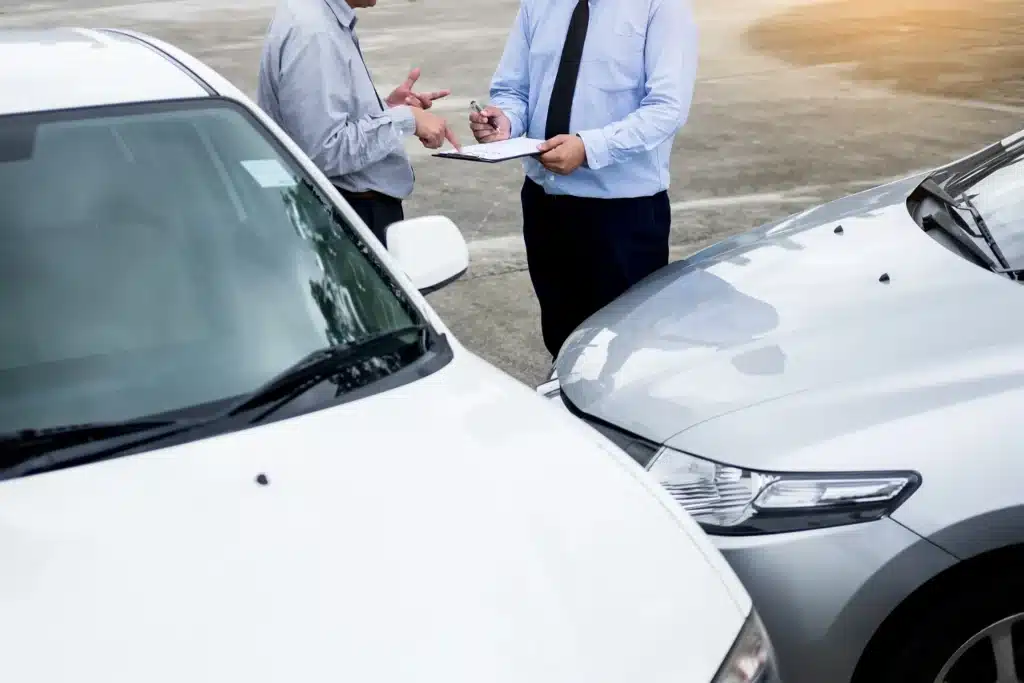 Self-driving vehicles are no longer a concept of the future. They operate along Houston’s streets and are often promoted as safer than traditional vehicles. As the proliferation of self-driving cars spreads across the city, so do the risks. When an autonomous vehicle causes a crash, the process of securing compensation becomes more challenging.
If you were injured by a self-driving car in Houston, a Houston self-driving car accident lawyer can evaluate your case to determine who owes you compensation. Legal representation can greatly improve your chances of securing a fair settlement following an accident.
When software fails, sensors misread data, or a human operator makes a critical mistake while using automated systems, the outcome can be devastating. We offer free consultations so you can understand your legal options without any cost. Call us at (832) 430-6210 to speak directly with our team.
Why Houstonians Trust Calhoun Meredith, PLLC
At Calhoun Meredith, PLLC, we represent injured individuals in some of the most complex and challenging accident cases. We understand the tactics self-driving car companies and their insurers use to try to skirt accountability, and we don’t let them get away with those strategies.
From the moment you connect with our legal team, you will be treated with the dignity and respect you deserve. We pride ourselves on our ability to respond quickly to our clients because we know no one enjoys waiting days to hear back from their attorney.
If your case qualifies for representation from our firm, you won’t have to worry about paying upfront fees. We work on a contingency basis, meaning we aren’t paid until we win your case and you receive compensation for your injuries and pain and suffering.
Understanding Self-Driving Technology and Liability
Anyone who lives in Houston has likely seen self-driving cars moving around our city. Self-driving or autonomous vehicles use sensors, cameras, radar, and advanced software to operate without full human control. While many still require driver supervision, newer models from companies like Nuro and Aurora are capable of handling most or all driving tasks on their own.
When an accident happens, identifying the responsible party is critical. Depending on the situation, liability may rest with the vehicle manufacturer, the software developer, a commercial operator, or the individual in the driver’s seat. Cruise, a company that recently ended its robotaxi program in Houston, shows how quickly this technology can shift and why each case must be handled carefully.
Just like traditional accidents, any injury caused by a self-driving car can leave one party financially liable for the harm and damage that was caused. Things can become more complicated with self-driving cars, though.
Autonomous vehicle claims can involve technical issues, product liability concerns, commercial policies, and other factors. Traditional accidents are comparatively more straightforward because the at-fault driver is typically to blame for causing the accident.
Determining liability following a crash involving a self-driving car can require a close look at onboard data from the autonomous vehicle as well as an analysis of the car’s programming. Input from engineers and crash experts may also be needed to accurately assess what went wrong.
Your Houston self-driving car attorney can gather evidence and build a strong case that holds the right parties accountable.
Injuries Caused By Self-Driving Vehicle Accidents
Injuries caused by self-driving cars can be every bit as devastating as those from any other crash.
Victims can suffer traumatic brain injuries that affect their memory, concentration, or motor skills. Spinal cord injuries can lead to partial or full paralysis, which can require long-term care.
A rear-end accident can lead to broken bones and fractures. Internal organ damage may require urgent emergency surgery, while facial fractures can lead to disfigurement.
Often, the psychological damage caused by a self-driving automobile can linger long after the physical injuries have healed. Injured victims can be left facing PTSD, flashbacks to the day of the crash, and debilitating anxiety for months or even years after the accident.
What Can I Be Compensated For?
The value of a personal injury claim is largely determined by the severity of the collision and how it affects the injured party’s daily life and ability to return to work. Injured victims may have an immediate need for compensation to pay for medical bills, lost income, property damage, and other measurable damages. These are known as monetary damages.
Non-monetary damages are just as consequential for injured drivers and passengers, although they can be more challenging to calculate. Non-monetary compensation covers intangible damages, such as pain and suffering and loss of consortium.
Having legal representation can help plaintiffs accurately calculate the value of their claims. Future lost earnings and the cost of upcoming medical bills can be added to a settlement figure to ensure that the injured party is fully compensated for the harm they suffered.
What To Expect During the Injury Claims Process
Your personal injury claim begins with a consultation with your attorney. Look for a law firm that has experience holding self-driving car companies accountable for their autonomous vehicles. Your lawyer can review your case and listen to your account of the accident. They can then investigate the cause of the accident to determine who is responsible.
Before a case goes to court, an accident attorney may build a strong claim by speaking with witnesses, medical experts, and engineers. The next step involves calculating the full value of the injury claim, including all related damages.
In some cases, the matter can be resolved when the at-fault party or their insurer agrees to pay the settlement. If they do not, the case can go to court, where a judge or jury may ultimately decide who is at fault and what types of compensation are called for.
Potential Unique Legal Challenges You May Face
Self-driving car claims are complex, and you and your attorney may face unique challenges as you pursue justice and compensation. Unlike traditional car crashes, determining who the at-fault party is can be challenging. Self-driving car collision cases require a careful examination of the technical data and onboard computer logs.
The owner of the self-driving car may try to claim that you caused the collision. Many people think that self-driving cars are impervious to making errors, but this isn’t true. Your attorney can examine the evidence to show that the self-driving car made an error that caused the collision.
The investigation may involve a review of regulatory compliance documents. Internal communications with the parent company may reveal evidence that shows who is liable. These extra steps are unique to claims involving self-driving vehicles.
Frequently Asked Questions
Can I take legal action against a self-driving car?
Yes. You can take legal action against the operator or manufacturer of the vehicle. If a third party is liable for causing the accident, they may be the ones who compensate you for the harm you suffered.
How do I win a self-driving car accident injury claim?
You can win a self-driving car accident injury claim by working with an attorney who understands how to hold autonomous vehicle business owners accountable, either through direct negotiations or by taking the case to court.
Can I be compensated for pain and suffering?
Absolutely. Pain and suffering are a common type of non-economic damage that many people suffer following a car collision. When the injury leaves lasting trauma, it can significantly increase the value of your claim.
What will my claim be worth?
The value of your claim depends on the extent of your physical injuries, your mental anguish following the collision, and other damages. Having legal representation can greatly increase the value of your claim because an attorney can calculate things like future lost income and other financial losses you have or will incur as a result of the collision.
Are personal injury attorneys expensive?
Most reputable personal injury attorneys work on a contingency basis. This means that they are only paid once you are compensated for your damages. The contingency fee is a set percentage that is paid once you receive a settlement or court verdict in your favor. The fee is typically deducted before you receive the remaining amount.
Who is responsible for a self-driving car accident?
Liability for a self-driving car accident may fall on the manufacturer, operator, or software company, depending on how and why the crash occurred.
Speak With a Houston Self-Driving Car Accident Lawyer Today
Autonomous vehicle accidents raise complicated legal and technical issues. You should not have to figure them out on your own. At Calhoun Meredith, PLLC, we are prepared to investigate, analyze, and litigate your case with the focus and attention it requires. For years, we’ve represented clients in complex cases and helped them secure the compensation they were owed.
We offer free consultations so you can get clear answers before making any decisions. If we take your case, you pay nothing up front and no legal fees unless we recover compensation for you.
Call (832)430-6210 today to speak with a member of our team. Let us protect your rights, challenge the insurance companies, and fight for the outcome you deserve.
Related Posts
- Common Car Accident Injuries
- Do I Need a Lawyer After My Car Accident?
- Houston Fatal Car Accident Lawyer
- Houston Hit and Run Car Accidents Lawyer
- How Do I Handle Insurance Claims for a Multi-Vehicle Crash in Houston?
- How to Get a Police Report After a Car Accident in Texas
- Multiple Car Accident Attorney in Houston
- What Are the Most Common Types of Car Accidents in Texas?
- What Evidence Do I Need in a Car Accident Lawsuit in Houston?
- What Happens When a Car Accident Claim Exceeds Insurance Limits?
- What Should I Do If My Child Was Hurt in a Car Accident?
Free Case Evaluation
Fields Marked With An “*” Are Required
"*" indicates required fields
Disclaimer: By providing my phone number to Calhoun Meredith I agree and acknowledge that Calhoun Meredith may send text messages to my wireless phone number for any purpose. Message and data rates may apply. Message frequency will vary, and you will be able to Opt-out by replying “STOP”. For more information on how your data will be handled please see our privacy policy.
Privacy Policy: No mobile information will be shared with third parties/affiliates for marketing/promotional purposes. All the above categories exclude text messaging originator opt-in data and consent; this information will not be shared with any third parties.

Schedule An Consultation
© Copyright 2026 Calhoun Meredith. All Rights Reserved.
