

What’s the Process for Handling an Insurance Claim After a Truck Accident?
Houston Truck Accident Lawyers Providing Guidance Through the Claims Process
 When you’re involved in a commercial truck accident in Houston, the aftermath can feel overwhelming and confusing. Handling an insurance claim might seem daunting, but it’s crucial for securing the compensation you deserve. An insurance claim is a formal request to an insurance company for coverage or compensation for a covered loss or policy event. For instance, if a semi-truck collides with your vehicle, filing an insurance claim helps cover the damages and medical expenses resulting from the accident.
Understanding the steps involved can make the process smoother and less stressful. From immediate actions at the accident scene to dealing with insurance adjusters, each step is vital in building a strong case.
At Calhoun Meredith, PLLC, we are skilled in navigating these complicated claims to get you the maximum compensation. We offer free consultations to discuss your case and help you understand your legal options. Call us today at 832-430-6210 to get started. Don’t go through this difficult time alone—let our experienced team guide you every step of the way.
Immediate Steps After a Truck Accident
When a truck accident happens, the priority is to ensure everyone’s safety. Even if you feel fine right after the accident, seek immediate medical attention. Your health should be a top priority. Often, injuries may not be immediately apparent due to shock or adrenaline. Timely medical intervention can prevent minor injuries from escalating into major health issues and provide necessary documentation for your claim.
Delaying medical care can complicate your claim. Insurance companies may question the severity of your injuries if there is a gap between the accident and treatment. Detailed medical records support your personal injury claim by providing evidence of the injuries sustained and the medical expenses for care. This documentation can also help in claiming lost wages due to time off work for recovery.
Once everyone is safe, exchange names, contact details, driver’s license numbers, and insurance information with the other parties involved. It’s important to stay calm and not admit fault during these exchanges. Truck accidents can be disorienting, but remaining composed helps manage the situation more effectively.
Reporting the Accident to Authorities
After the initial shock of the accident subsides, report the incident to the authorities. Contacting law enforcement results in an official accident report, which is indispensable for your truck accident claim. This report will include vital details about the accident scene, witness statements, and the circumstances under which the accident occurred, all of which support your case.
In Texas, you are legally required to report accidents to law enforcement when there are injuries or significant property damage. The police report provides an unbiased account of the incident, serving as a reliable record to prevent disputes over the facts later on. This document is crucial for dealing with insurance companies, as it significantly impacts the outcome of your truck accident claim.
Having a detailed police report can make a substantial difference in the claims process, whether it’s a semi-truck accident or an incident involving commercial trucks. Make sure you obtain a copy of this report for your records and future reference.
What Details Are Essential for an Accurate Police Report?
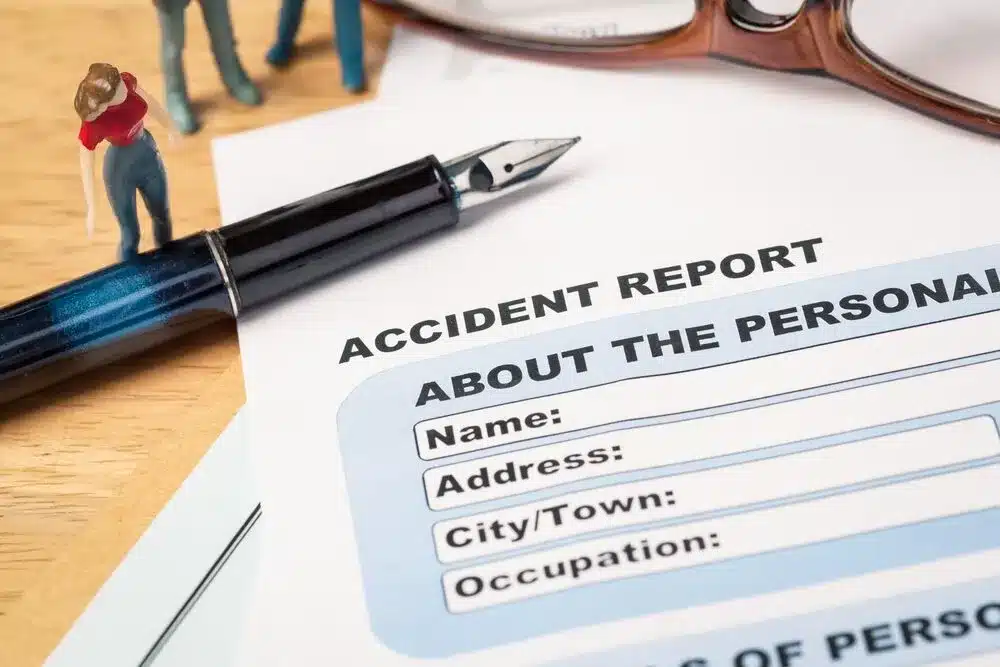 An accurate police report is a cornerstone of a strong truck accident claim. Here are the key details that should be included:
- Accident Date and Time: Precise information about when the accident occurred is helpful for establishing the sequence of events.
- Location: The exact location of the accident, including street names and nearby landmarks, helps in reconstructing the scene.
- Parties Involved: Names, contact information, and insurance details of all parties involved in the accident.
- Witness Information: Contact details and statements from any witnesses who can provide an objective account of the incident.
- Vehicle Descriptions: Make, model, license plate numbers, and any notable damage to the vehicles involved.
- Weather and Road Conditions: Information about the weather and road conditions at the time of the accident can provide context.
- Narrative Description: A detailed account of how the accident happened, including diagrams if needed.
- Officer’s Observations: Notes from the responding officer about the scene, including any signs of negligence or violations.
Ensuring that these details are well-documented in the police report can greatly strengthen your truck accident claim.
Notify Your Insurance Company
Notify your insurance company about the accident as soon as possible. Quick notification helps avoid any delays or rejections of your claim. Stick to clear and factual details when describing the accident, and avoid guessing or admitting fault. This keeps your truck accident claim strong.
Keep a record of all communications with your insurance company, including dates and topics discussed. This not only supports your claim but also helps you track the progress of your insurance process. An official accident report is a reliable account of the accident, detailing key information like the time and location of the incident.
Understanding Multiple Insurance Policies
Truck accident claims often involve multiple insurance companies and policies. Understanding how these policies interact is important to maximize your compensation. You may have to deal with both the trucking company’s insurer and your own insurance company. Each policy has coverage limits, which can significantly influence the amount of compensation you receive.
If the policy limits do not cover all your damages, you might need to pursue the trucking company’s assets for additional compensation. In Texas, the modified comparative negligence rule allows victims to recover damages as long as they are not more than 50% at fault. Understanding these complexities ensures you receive fair compensation for your injuries.
Dealing with Insurance Adjusters
Understanding the full extent of your damages, including future medical needs, is necessary before negotiating with insurance companies. Be wary of quick settlement offers, as they might not cover all your damages and future expenses. Persistence is key to avoiding pressure to accept a lower settlement offer.
Dealing with insurance adjusters can be one of the most difficult aspects of a truck accident claim. Adjusters are trained to minimize payouts and may use friendly tactics to lower your guard. Keep discussions brief and limited to basic accident details, avoiding any mention of the severity of your injuries.
Avoid giving recorded statements or signing medical release forms without consulting your attorney. These actions can significantly impact your claim, as adjusters may use your statements against you to devalue it. Avoid admitting fault during conversations with adjusters, as this can severely affect your ability to secure fair compensation.
At Calhoun Meredith, PLLC, we are skilled in negotiating with insurance companies to ensure you get the settlement you deserve. Our team handles all communication with the insurer, so you don’t have to worry about any pressure. We make sure all settlement terms are documented in writing before you sign any release forms, protecting your interests.
Gathering Evidence for Your Claim
 Collecting evidence is a critical step in strengthening your truck accident claim. Here are some key types of evidence you should gather:
- Photographs and Videos: Capture as much detail as possible at the accident scene. Photos and videos serve as definitive evidence, documenting the scene, vehicle damage, road conditions, and any visible injuries.
- Witness Statements: Obtain contact information and statements from witnesses. These objective accounts can offer various perspectives on the accident, further supporting your case.
- Black Box Data: In truck accident cases, black box data can reveal critical information such as speed, direction, and other metrics at the time of the accident. This data can be crucial in establishing liability.
- Driver Logs and Maintenance Records: Attorneys can analyze these records to identify any violations or negligence that may have contributed to the accident. Gathering all relevant evidence is essential in building a strong case.
The Role of Medical Documentation
Thorough medical documentation is important for linking your injuries to the truck accident and supporting your claim for fair compensation:
- Record All Medical Visits: Keep track of every medical appointment, including emergency care, follow-ups, rehabilitation, and any long-term treatment plans.
- Consistency is Key: Ensure your records are complete and consistent. Gaps or inconsistencies can weaken your claim and lower your settlement.
- Document Your Recovery: Maintain detailed notes on your recovery process. This helps build a strong case against insurance companies.
Keeping comprehensive medical records throughout your recovery strengthens your case and increases your chances of receiving fair compensation.
When to Consider Legal Action
If insurers refuse to provide a fair settlement, you might need to take legal action, especially if liability is clear. Filing a lawsuit usually happens when insurance negotiations don’t work out or when the insurance companies deny responsibility. The legal process may include a discovery phase where both sides exchange evidence.
Taking legal action should be a last resort, but it might be the only option if negotiations with insurance adjusters fail and the settlements offered don’t cover your expenses. It’s necessary to show both who is at fault and the extent of your damages to succeed in a lawsuit.
What is the Typical Timeline for Filing a Lawsuit After a Truck Accident?
Filing a lawsuit after a truck accident involves several critical steps and adhering to specific deadlines. Understanding this timeline can help ensure your claim is processed efficiently and within legal limits.
- Immediate Actions: Seek medical attention and report the accident to authorities. Collect evidence and contact an attorney as soon as possible.
- Initial Consultation: Meet with your attorney to discuss the details of your case. This usually happens within days to weeks after the accident.
- Investigation and Evidence Collection: Your attorney will gather evidence, including police reports, medical records, and witness statements. This phase can take several weeks to months.
- Filing the Claim: Once sufficient evidence is collected, your attorney will file the insurance claim. This typically happens within a few months of the accident.
- Negotiations: Insurance companies may take weeks to months to review your claim and negotiate a settlement. If a fair settlement cannot be reached, your attorney may advise filing a lawsuit.
- Filing the Lawsuit: In Texas, the statute of limitations for filing a truck accident lawsuit is two years from the date of the accident. This means you must file the lawsuit within this period to avoid losing your right to seek compensation.
- Discovery Phase: Both parties exchange evidence and information, which can take several months to a year.
- Trial Preparation: If the case goes to trial, preparation can take several additional months.
- Trial and Resolution: The trial itself may last days to weeks, and the final resolution can take additional time, depending on the complexity of the case.
Understanding these steps and timelines helps in managing expectations and ensuring that all legal requirements are met for a successful truck accident claim.
What Happens If I Miss a Deadline for Filing My Claim?
Missing a deadline for filing your truck accident claim can have serious consequences. In Texas, the statute of limitations for filing a truck accident lawsuit is generally two years from the date of the accident. If you fail to file within this period, you may lose your right to pursue compensation for your injuries and damages.
However, there are some exceptions to this rule. For instance, if you were a minor at the time of the accident or if the liable party left the state after the accident, the statute of limitations might be extended. It’s essential to consult with a seasoned truck accident attorney who can help you understand these nuances and ensure that all deadlines are met.
Failing to meet filing deadlines can result in your case being dismissed, leaving you responsible for your medical bills, lost wages, and other expenses related to the accident. Therefore, it’s crucial to act promptly and seek legal advice as soon as possible to protect your rights and secure the compensation you deserve.
Contact Calhoun Meredith, PLLC for Trusted Help After a Truck Accident
At Calhoun Meredith, PLLC, we emphasize the importance of experienced legal representation to navigate the challenges of truck accident claims and the role of a trucking company in these cases. Our team of personal injury attorneys understands the difficulty of accident claims and works diligently to ensure you receive the maximum compensation you deserve.
Our firm operates on a contingency fee basis, meaning you don’t pay unless we win your case. This ensures that our interests are aligned with yours, and we are motivated to achieve the best possible outcome for you. With a proven track record of securing substantial settlements for our clients, we are confident in our ability to handle even the most complicated truck accident claims.
Don’t handle the aftermath of a truck accident alone. Let our experienced team guide you through the legal process and fight for the compensation you deserve.
Call us today at 832-430-6210 for a free consultation and take the first step toward securing your future.
Additional Resources
Free Case Evaluation
Fields Marked With An “*” Are Required
"*" indicates required fields
Disclaimer: By providing my phone number to Calhoun Meredith I agree and acknowledge that Calhoun Meredith may send text messages to my wireless phone number for any purpose. Message and data rates may apply. Message frequency will vary, and you will be able to Opt-out by replying “STOP”. For more information on how your data will be handled please see our privacy policy.
Privacy Policy: No mobile information will be shared with third parties/affiliates for marketing/promotional purposes. All the above categories exclude text messaging originator opt-in data and consent; this information will not be shared with any third parties.

Schedule An Consultation
© Copyright 2026 Calhoun Meredith. All Rights Reserved.
